State capacity
State capacity, bureaucracy & implementation
The Overloaded State
You passed the law. Why is nothing happening?
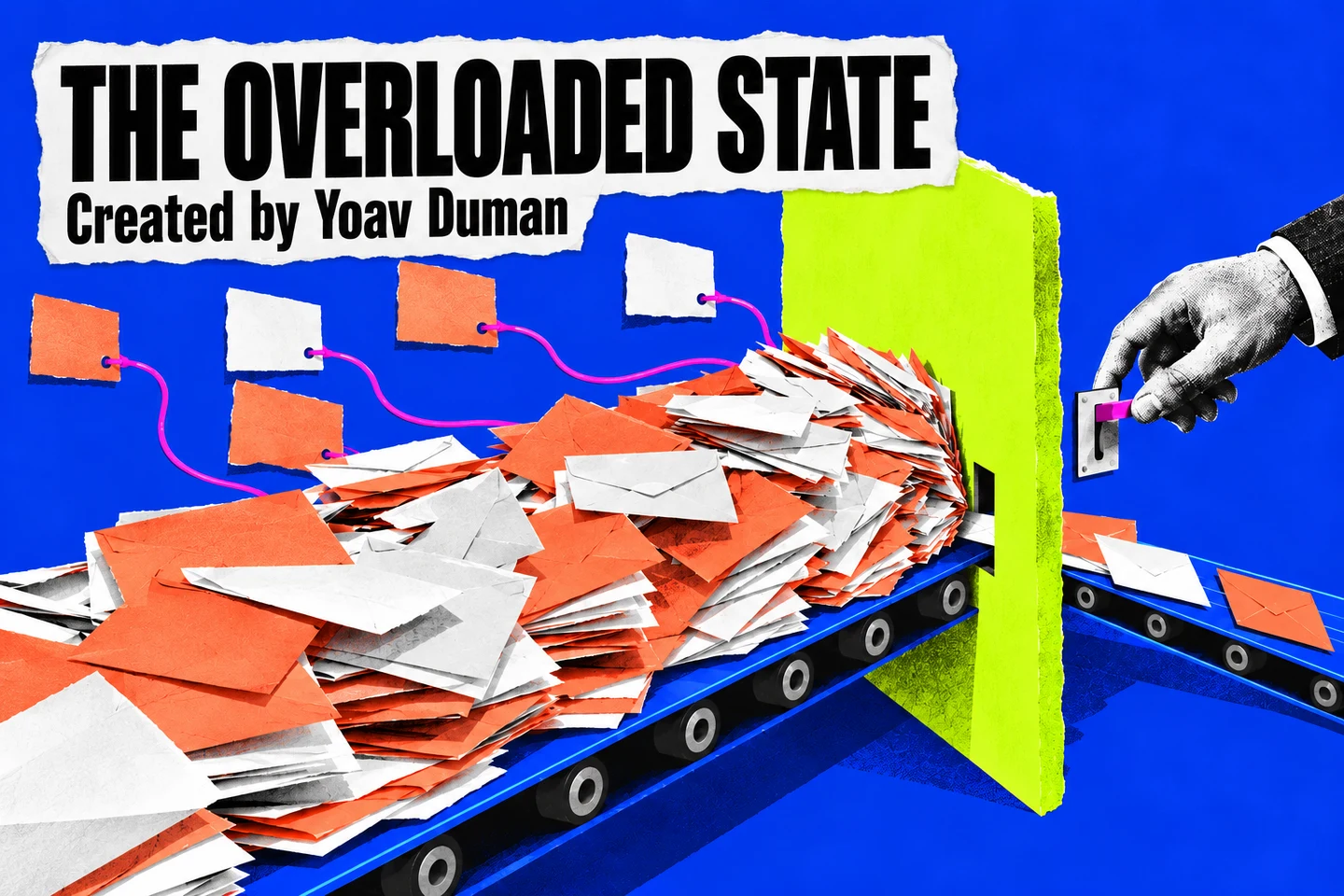
The law passed. The promise stalled. Follow it into a jammed bureaucracy, find the bottleneck and decide what a reform would have to change before people feel a difference.
For Class requires the complete Full activity and final report action before assignment printing or downloads. Core and Full length choices, where offered, are available in For Fun. Save a progress backup whenever you need to pause.
For class: download your report when you finish, then submit it through your course website. Downloading does not submit it.
This activity supports saving on this device. Check its save status before closing, and download a progress backup before changing browsers or devices.
What you can explore
Empirical work. Compare two studies about administrative constraints and implementation before analyzing the fictional emergency-grant records.
- Distinguish a policy decision from implementation capacity.
- Compare administrative burden, resources, expertise and control.
- Specify how evidence could evaluate a proposed reform.
TAKE IT WITH YOU
Keep the game. Keep your questions.
Play online or download the self-contained HTML game. No installation or student account is needed.
- Download the game · HTML
- Student guide · printable
- Teaching guide · learning goals, discussion and assessment
For Class, complete Full and assemble the report before printing or exporting the assignment. A progress backup lets you pause or move devices; downloading does not submit work.
What the model leaves open
A proposed reform is a hypothesis. Do not treat a programmed outcome as a measured real-world reform effect.
AFTERWARD, THINK ABOUT
Did your diagnosis concern authority, resources or a different bottleneck?
Teaching this activity Debrief, assessment & assignment draft
Bring it back to the room
- Did your diagnosis concern authority, resources or a different bottleneck?
- How could the reform work on paper and still fail in practice?
What to assess
Look for a specific mechanism, a rival account, a feasible reform and an evaluation matched to the claimed effect.
Read the complete teaching guide →Syllabus description, rubric & printable companion →
Prepare an assignment to share.
Edit this text, then copy it into Canvas or your course website. These edits stay in this tab.
Syllabus description & discussion prompts
Syllabus description
The law passed. The promise stalled. Follow it into a jammed bureaucracy, find the bottleneck and decide what a reform would have to change before people feel a difference. Students produce capacity diagnosis and reform/evaluation brief.
Questions for a discussion board or class debrief
- Did your diagnosis concern authority, resources or a different bottleneck?
- How could the reform work on paper and still fail in practice?