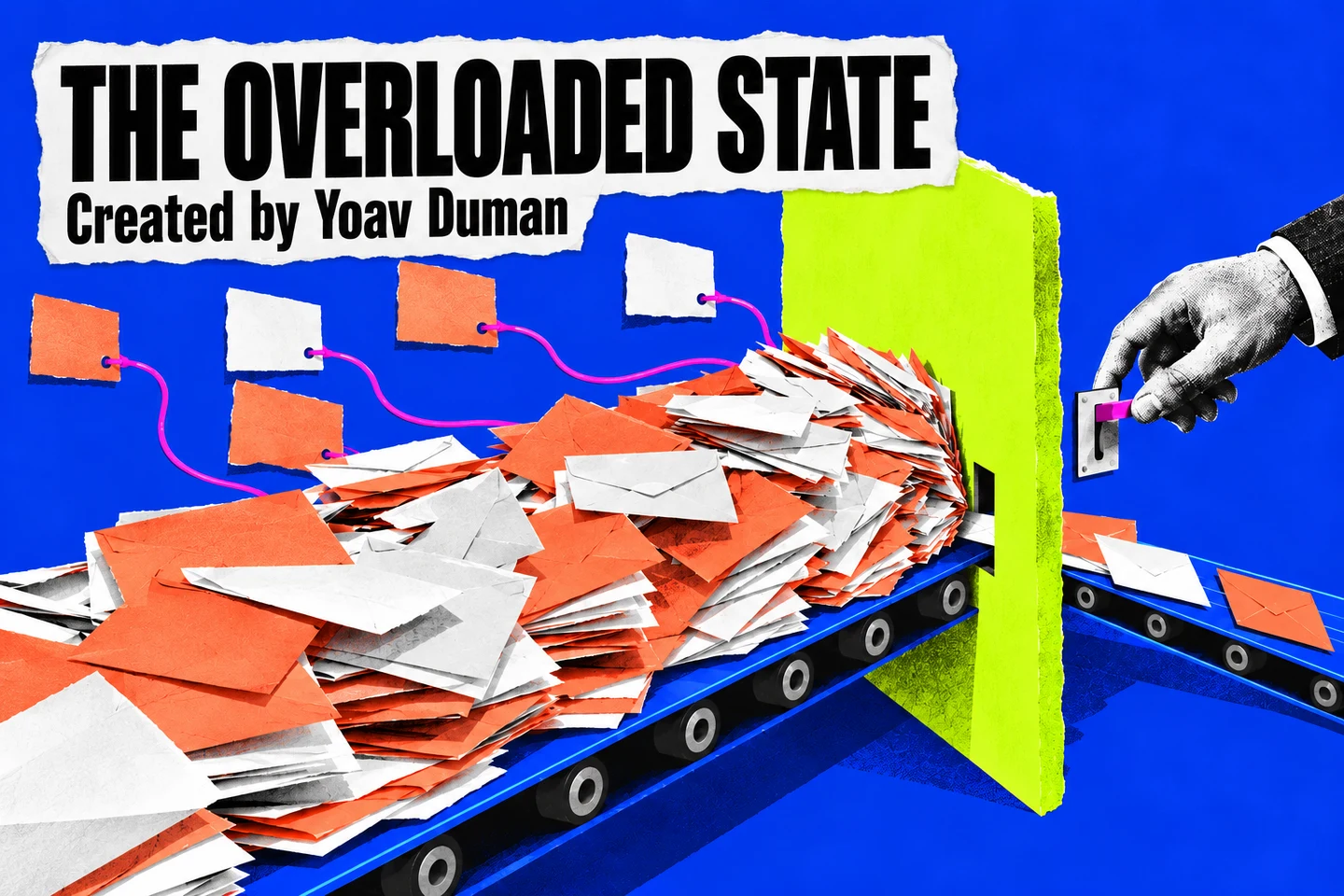
The Overloaded State
You passed the law. Why is nothing happening?
The law passed. The promise stalled. Follow it into a jammed bureaucracy, find the bottleneck and decide what a reform would have to change before people feel a difference.
THE SIMULATION LIBRARY
Solo simulations for class or independent exploration.
Browse empirical simulations →27 simulations
You passed the law. Why is nothing happening?
The law passed. The promise stalled. Follow it into a jammed bureaucracy, find the bottleneck and decide what a reform would have to change before people feel a difference.

One river. Three regions. Who gets the final say?
One river. Three regions. A flood is coming. Decide who can act, who must agree and who pays, then watch your division of power shape conflicts over clinics, licenses and the country you share.

You bought protection. What happens when the boss changes?
You bought protection. Then the boss changed. Bargain for a community, test what the next captain may demand and discover when a personal deal becomes an institution, or fails to become one.

Three tutoring pilots compete for $12,000. Who gets a vote, and which options get a hearing?
Join the budget committee at fictional Cedar Reach College. Vote on three tutoring pilots, audit which student requests were counted, and replay one hearing rule. Use published studies and institutional records to test your reasoning in a new case.
How do parliamentary, presidential and semi-presidential systems differ?
The same crisis. Three rulebooks. Form governments and build coalitions under parliamentary, presidential and semi-presidential rules, then discover why the same vote can keep one government in office and remove another.
Votes in. Power out. Which rule would you defend?
The ballots are counted. The argument has only begun. Investigate elections in the UK, Israel, Liberia and New Zealand, test how rules translate votes into power, and defend the costs of the system you would choose.

The right exists. Can you actually use it?
The right exists. Getting through the door is another matter. Follow a worker trying to vote, a volunteer trying to reach voters and residents seeking an answer. Change one rule and see what it actually repairs.
If people in power control the rules, why accept a contest they could lose?
A protest grows. A ruler offers a bargain. An election exists, but opponents still refuse to compete. Advise actors in South Korea, Taiwan, South Africa, Poland and Ghana. Predict a response, follow a second decision, then test your explanation against the historical record. Compare two cases and apply what you learned to a new political problem.
The order is clear. Whose cooperation does it actually secure?
A powerful official gives an order. Four organizations still have decisions to make. Build an opposition transport campaign, navigate unequal access and discover whose cooperation turns a promise into something people can use.
Who holds the advantage, and what is your evidence?
An election can be competitive and profoundly unequal. Investigate case files from Russia, Malaysia, Malawi and Serbia, build a source-based explanation and defend it at a hearing. A complication and a rival account are waiting.
What might change your decision to show up?
Everyone wants change. You are one of twenty citizens deciding whether to show up. Make a prediction, then see what changes when the group faces different rules.
The streets are full. Why is the president still in power?
A government wants the streets quiet. Your campaign wants to keep going. Choose how to organize, compare the reactions to repression and explain why the same pressure can silence one audience while mobilizing another.
A ruler leaves. What actually changes?
A ruler leaves. Who can still govern? Open real case files from Tunisia, Egypt, Belarus and Sri Lanka, test rival explanations and confront evidence that may overturn the story you started with.
A museum label puts everyone on the same voter list. What can the records actually establish?
Edit a museum caption using Arizona voting cases, an Onondaga letter and treaty, or Cherokee land and election records. Compare legal citizenship, eligibility to vote, and a person’s own sense of belonging.
A museum label gives a book and a nation the same birthday. What could the archive prove?
Edit a museum exhibit. Follow a Finnish epic between song and print, revise an explanation when a district record changes, and check what a newspaper reprint can establish about political belonging.
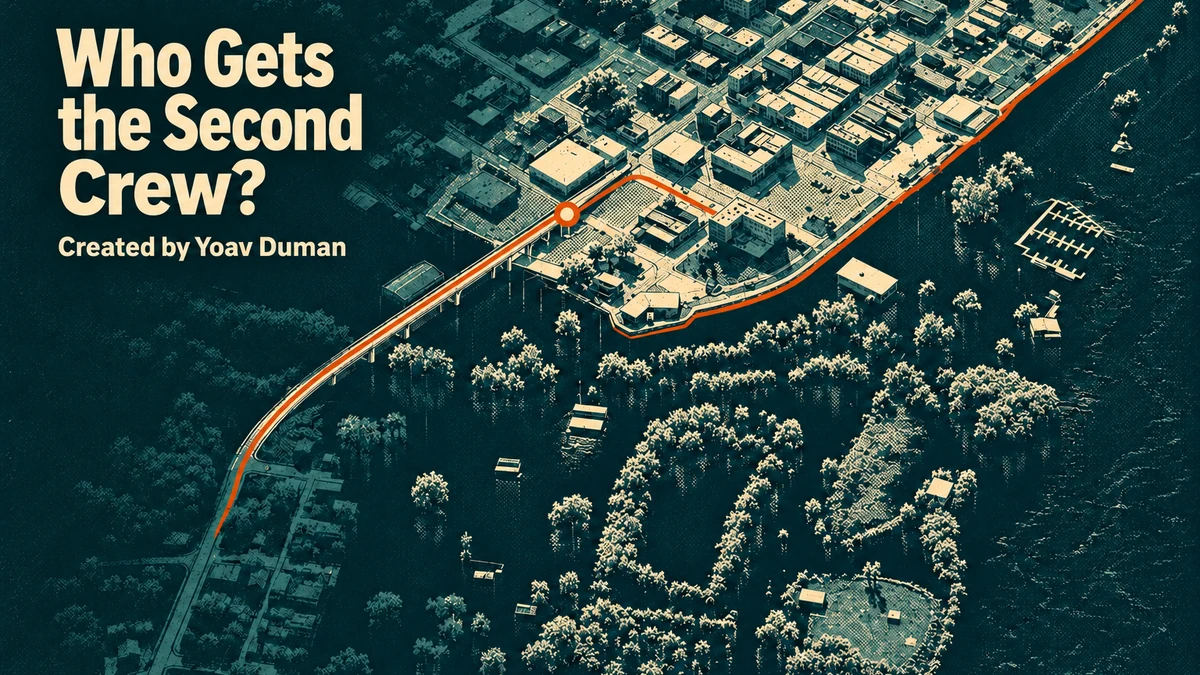
Two towns qualify. There is one crew left. What makes your decision fair?
Send the last flood crew from a shared fund. Compare your dispatch with a real survey of support for government aid, then see what a counted vote can change.
A border can look settled. What do the records let you say on air?
Edit a radio documentary using an archival photograph, a family file, a population-exchange convention and two dispute datasets. Decide what the records support about Greece and Türkiye, then test your reporting in Åland.
The map has neat borders. People’s lives don’t.
The borders look tidy. One household’s life does not. Follow records, schools and public services across a divided federation, arrange authority and resources, and find who your solution still leaves between the lines.

You wrote the rules. Who did you leave out?
You wrote the country’s promise. Now a family you did not plan for wants to use it. Put your charter through citizenship, language, school, religion and voting disputes, and decide which principles survive their consequences.
Give your advice. Then find out what history did.
Letters arrive from Canada in 1992 and India in 1956. Give advice on sharing power, make a prediction and answer an objection. Only then open the historical record and decide what your original advice can still defend.

A government changes the price of fuel. Who can make it change course?
Open the fuel-price case file for Ecuador in 2019. File an initial judgment, test it as more records come in, and see how far your explanation travels to Colombia in 2024.
You can help twelve households a little or four a lot. Who will fight to keep the program?
Spend one relief budget in Riverford, test a campaign claim, and see who signs to keep the program. In Millhaven, use the same petitions to test a different rule for who gets a hearing.
Why are some countries rich and others poor?
Start with your best explanation of prosperity. Compare twelve countries, keep the case that makes your idea uncomfortable, and test it against historical reversals and malaria research. Build a rival explanation and decide what evidence could change your mind.

The same shock. Four lives. Who gets caught by the safety net?
A missed paycheck. A clinic bill. Care that cannot wait. Step into four lives, follow how wealth accumulates, then discover why a majority wanting protection may still struggle to secure it. Test rival explanations and inspect real evidence from Sweden, the United States and Brazil.
Everyone says “democracy.” What are they agreeing to?
Everyone checked democracy. They may mean very different things. Meet the political lives behind a survey answer, design a better measure and decide how much democratic support your evidence really establishes.
The facts are in. What counts as a problem?
Two people can read the same graph and see different political problems. Build a public interpretation, defend the benchmark behind it and answer a challenge. Your poster must carry a claim the evidence can support.
You have a headline. Do you have the evidence?
An unfinished bridge. A confident public claim. Two reporting slots. Choose which records to obtain before you see them, follow the evidence and decide what your newsroom can responsibly publish.